Genie
Scissor Lift Controller
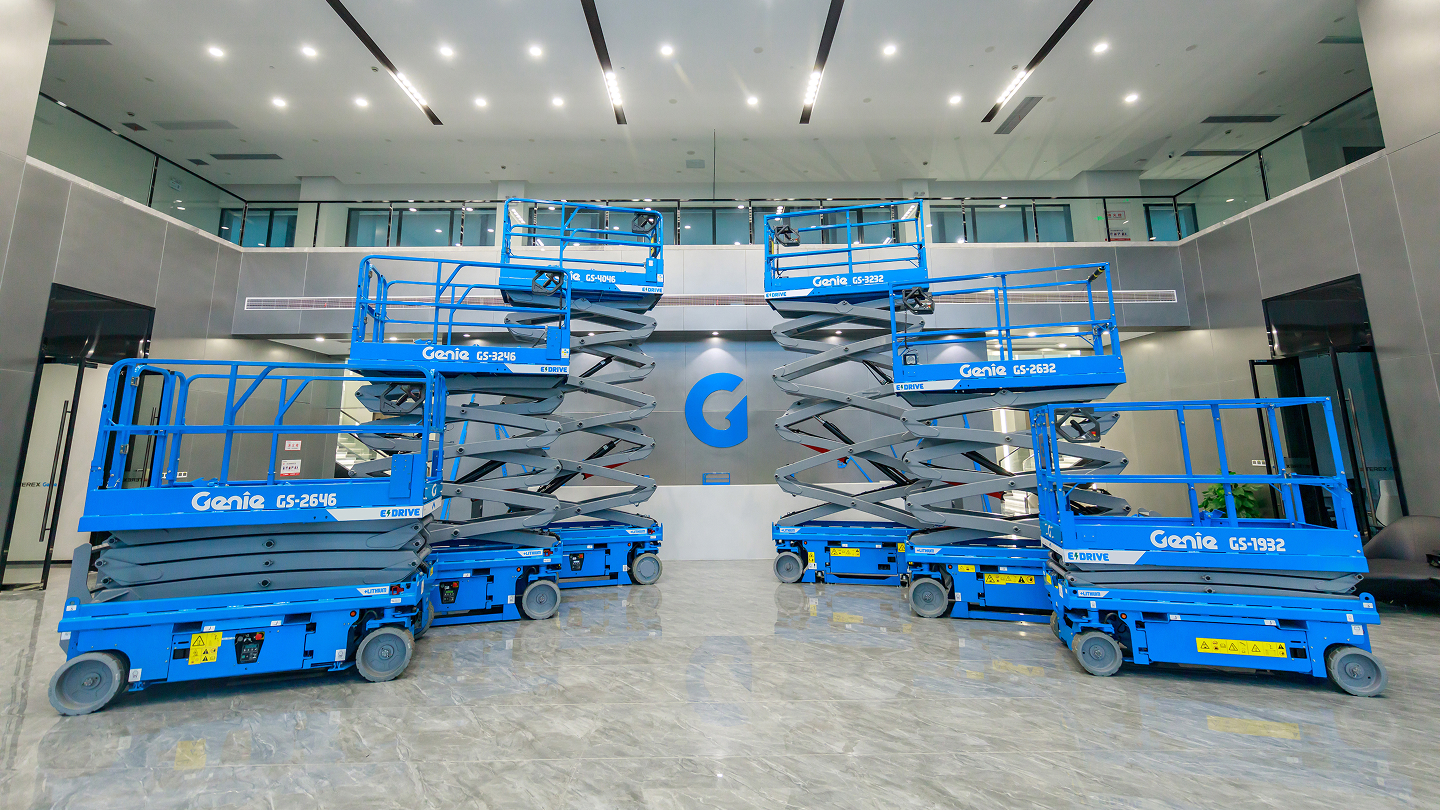
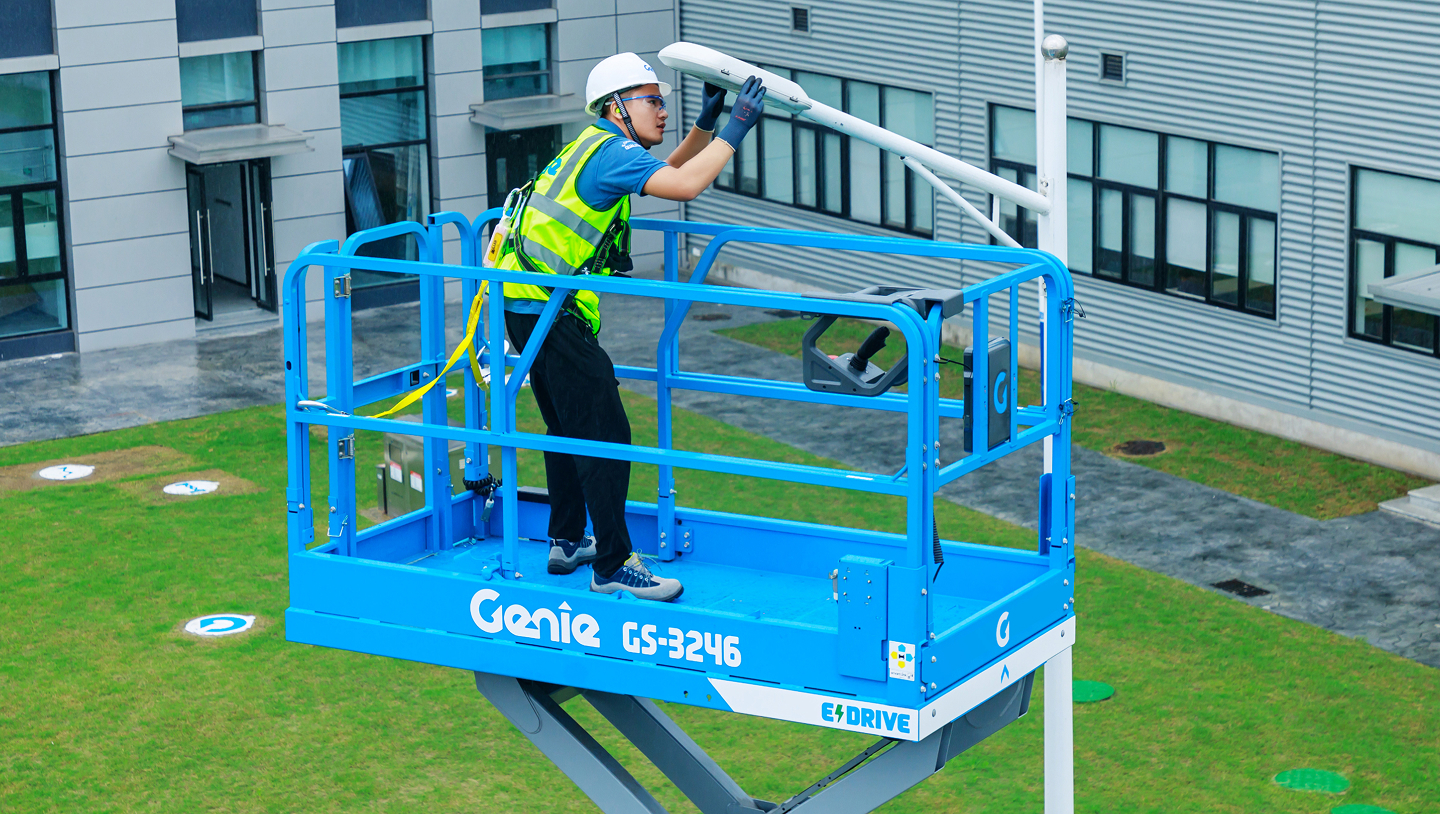
Genie scissor lifts are essential on job sites—empowering workers to safely reach elevated areas in construction, maintenance, and industrial settings. Where ladders and scaffolding fall short, Genie’s trusted lifts deliver reliable vertical access both indoors and out. Genie customers demand equipment that’s innovative, dependable, and intuitive. That’s why easy-to-use controls are just as critical as robust engineering; simplifying operation reduces user error and boosts
confidence at height. The Scissor platform controller (PCON) platform controller exemplifies the enduring Tactile–Genie partnership and our shared commitment to user-centric solutions. Terex holds design and utility patents for this innovation in multiple jurisdictions, reinforcing their commitment to protecting and advancing engineering excellence.
Integrated Design and Engineering
At the heart of our process is a deep collaboration between design and engineering—an integrated approach that ensures every detail serves both purpose and performance. From early concept sketches to final production validation, our multidisciplinary team works side‑by‑side to create solutions that not only reflect Genie’s brand DNA but also enhance real‑world usability. We addressed
complex challenges across form, ergonomics, and user experience while maintaining strict standards for reliability, cost efficiency, and manufacturability. The result is a family of products that feel intuitive, look refined, and perform dependably in demanding environments—perfectly balancing design vision with engineering precision.
Human-Centered Ergonomics and User Experience
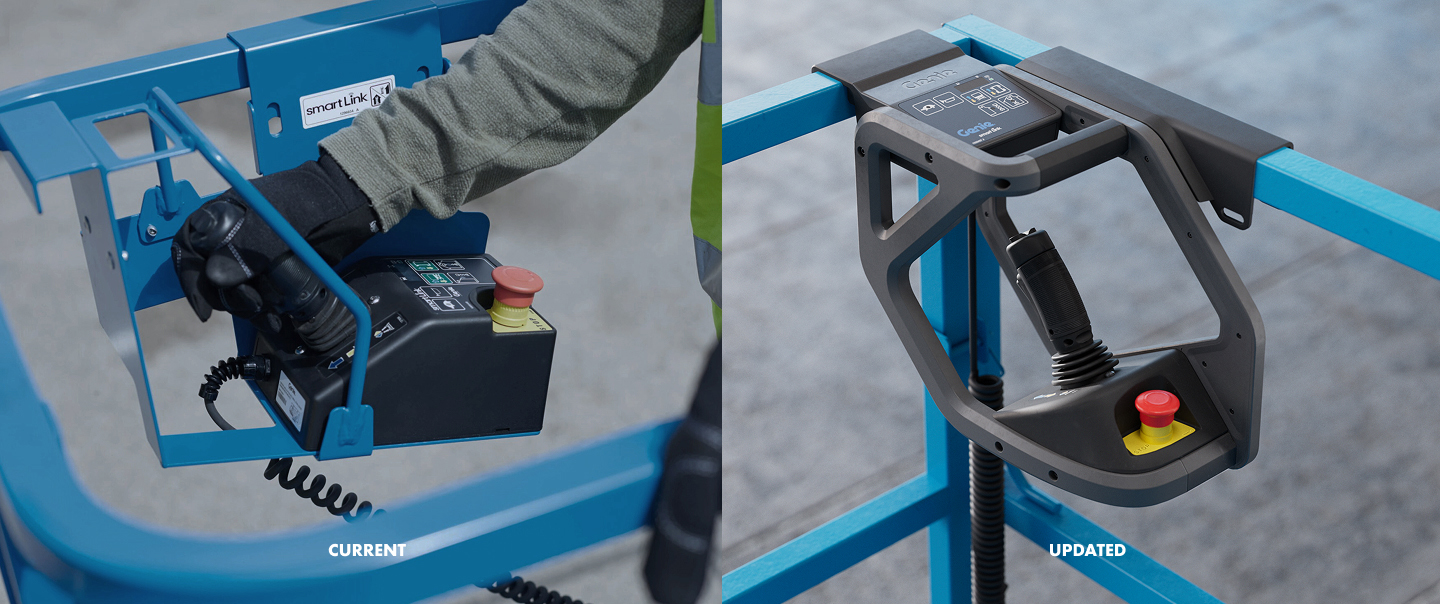
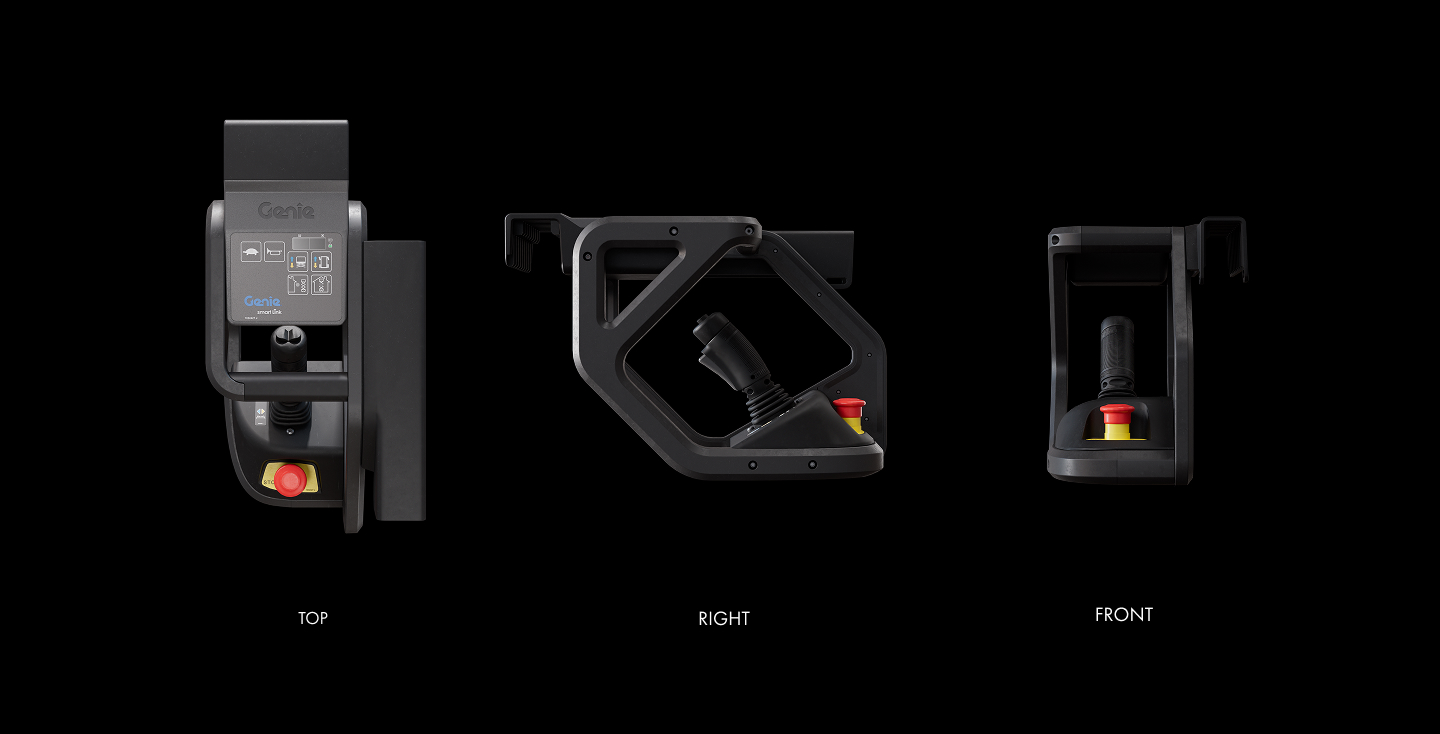
Operators rely on the PCON controller as the central interface for maneuvering their lifts with precision and confidence. Every control input matters, so our design placed a strong emphasis on ergonomics and usability. The controller needed to feel natural in the operator’s hands—lightweight yet sturdy, with a layout that invites intuitive interaction even during
demanding work conditions. We carefully considered a range of use scenarios, ensuring the design adapts seamlessly to different environments and operator preferences. Above all, the system is built around safety—providing operators the control, comfort, and assurance they need to perform their tasks efficiently and securely.
Handle Options
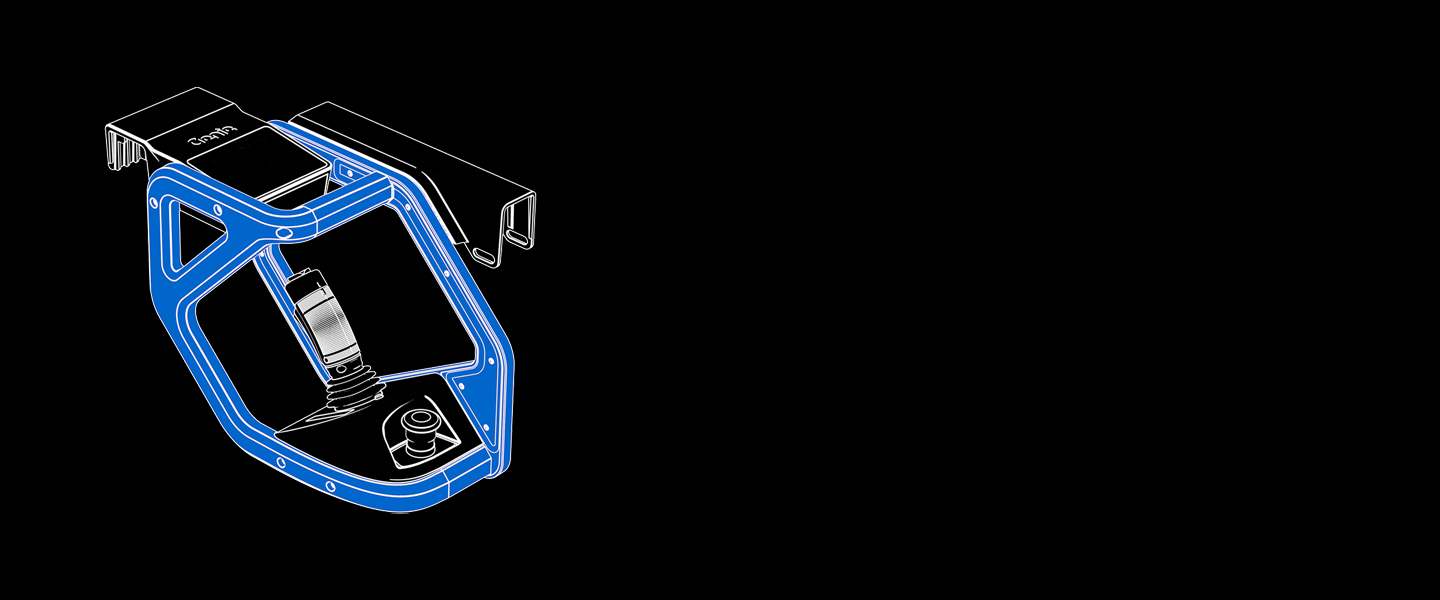
There are many ways to comfortably hold and operate the scissor lift PCON with options for diverse user preferences.
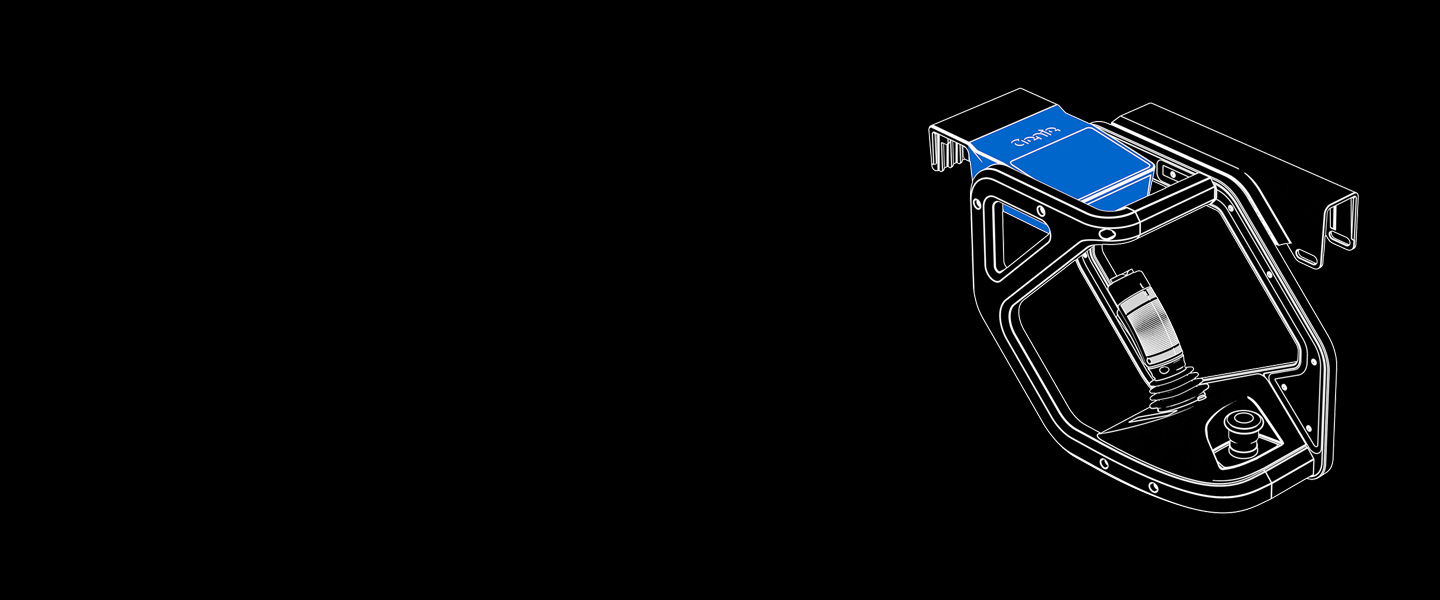
Visibility of Screen and Controls
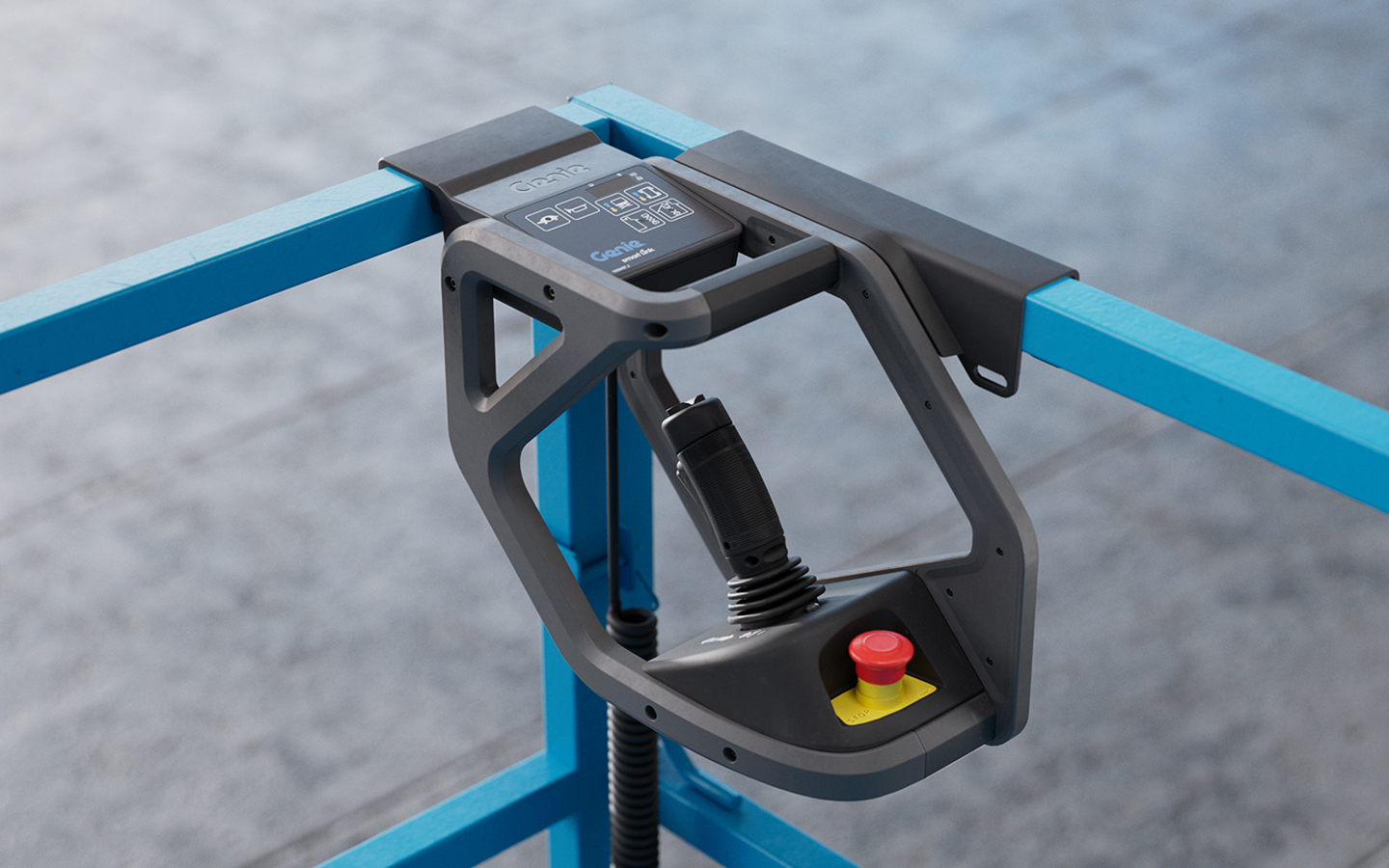
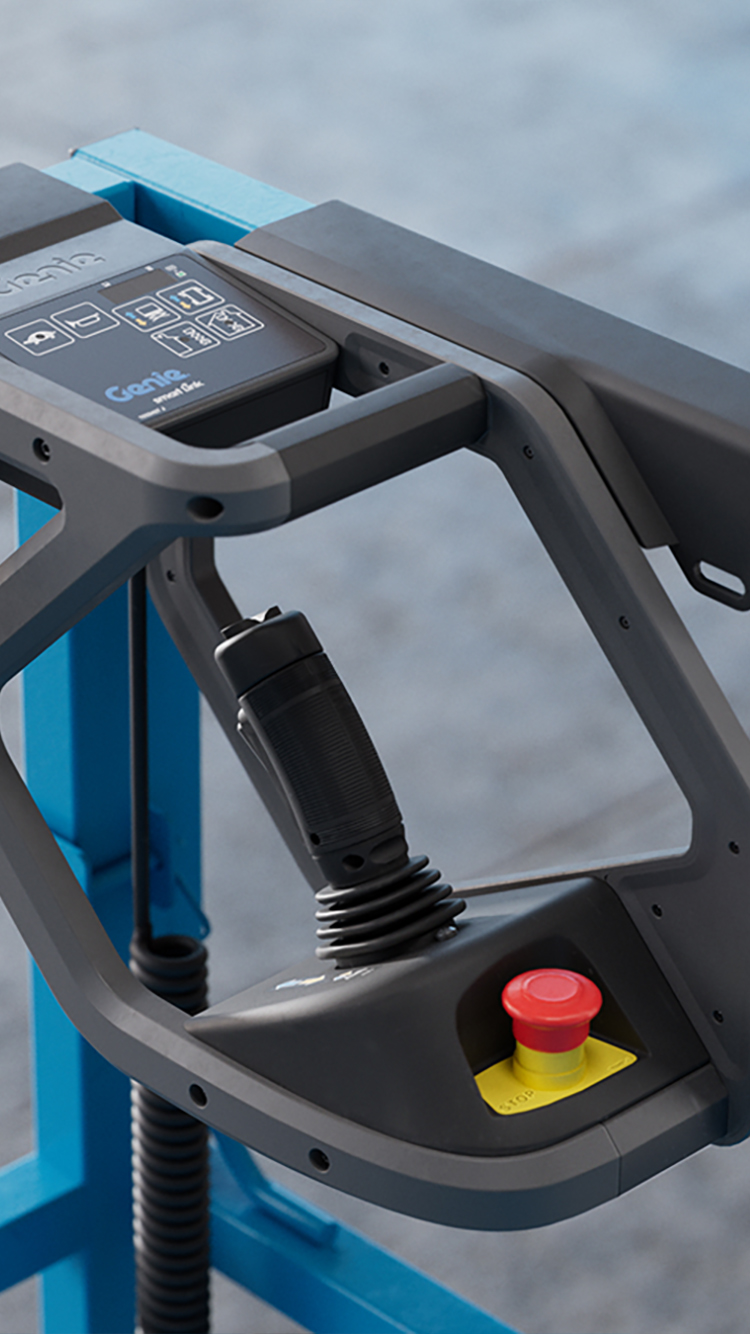
The operator has clear visibility to the alerts and the environment with their hand placed below the screen and buttons.
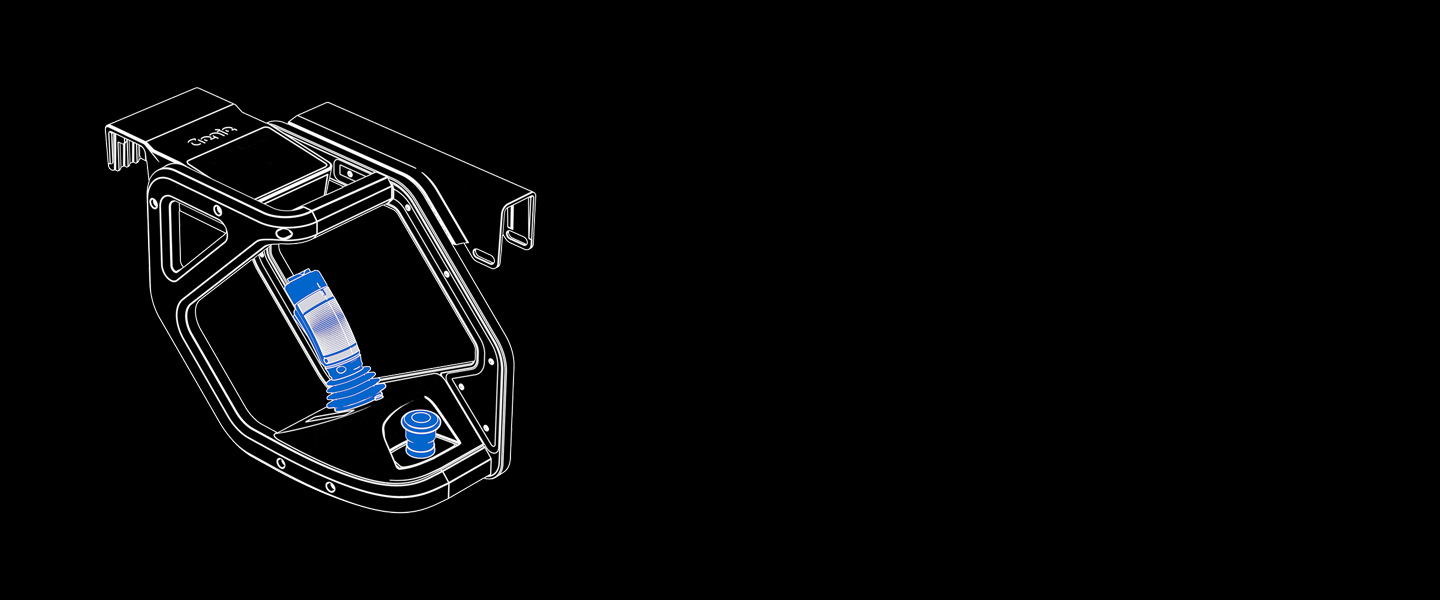
Protected Controls
The joystick and E-Stop are located under the safety of the housing to protect the controls from any accidental actuation.
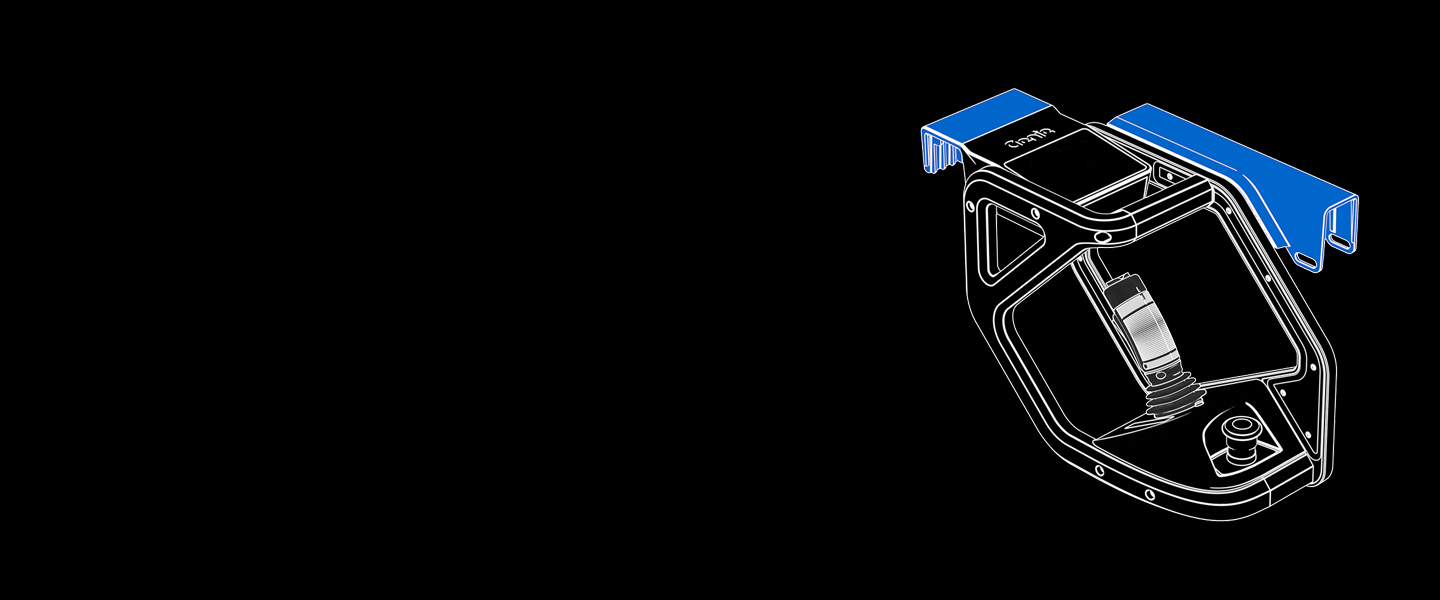
Modular Mounting
The rail framework of scissors are not all the same. These mounts are designed to fit to any style of scissor rails.
Multiple Operations Locations
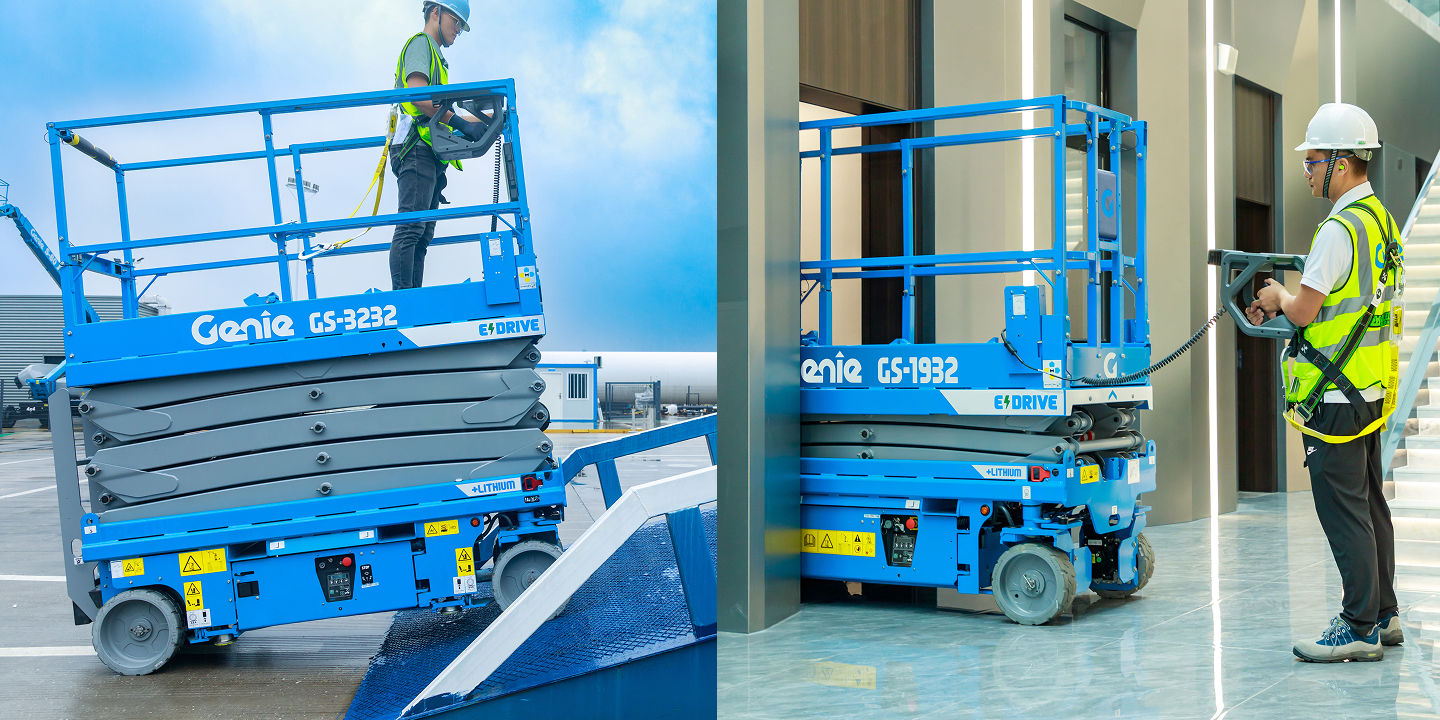
Job sites demand flexibility—machines and operators must adapt quickly to changing tasks and environments. To meet that challenge, Genie’s controller was carefully engineered to perform double duty as both the basket and ground control interface. This dual-operation functionality wasn’t an afterthought; it was a driving principle from the very
beginning of the design process. Every contour, button placement, and visual cue was shaped to deliver intuitive handling, regardless of where the operator stands. The frame’s architecture supports this balance, offering a sturdy, ergonomic experience that ensures comfort, precision, and confidence in every position and condition.
Concept & Form Exploration
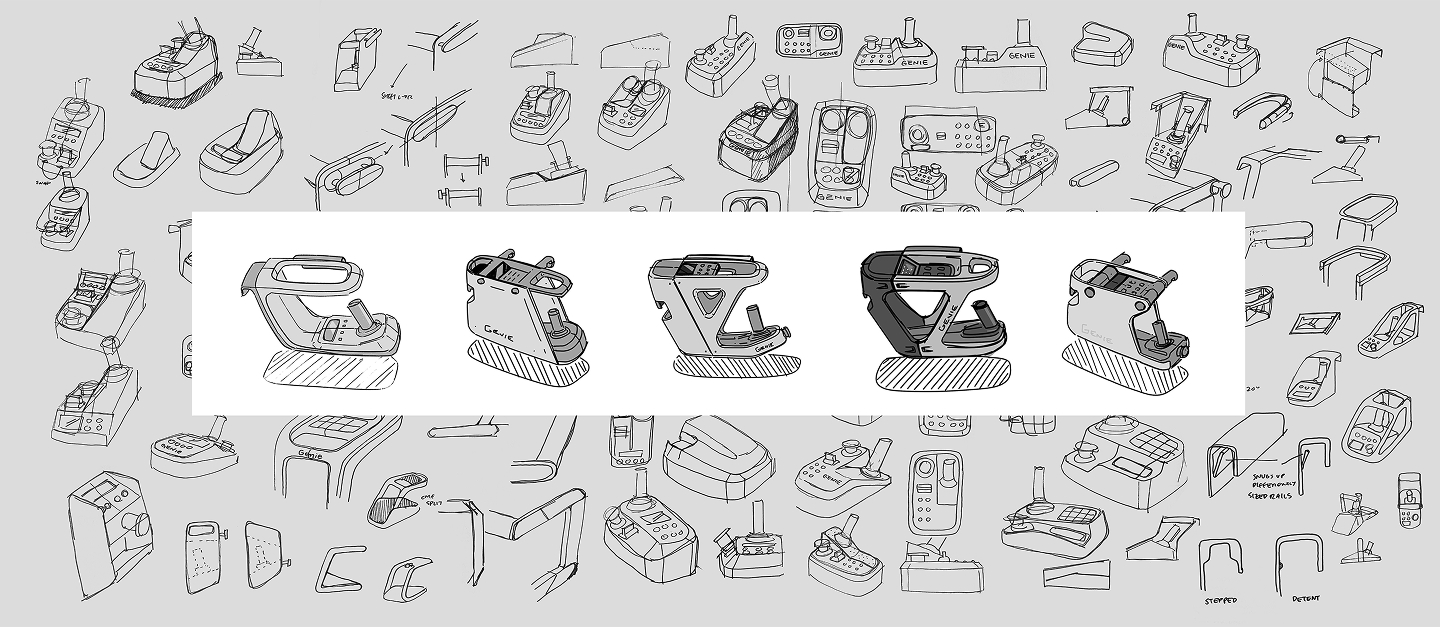
We began by exploring forms rooted in ergonomic research and an in-depth understanding of our target users’ daily interactions with Genie products. Each concept was meticulously crafted to enhance usability, streamline operation, and ensure comfort through every touchpoint. Beyond function, we sought to capture Genie’s reputation for reliability and trust, translating those values into a design language that feels both familiar and innovative.
Design Refinement
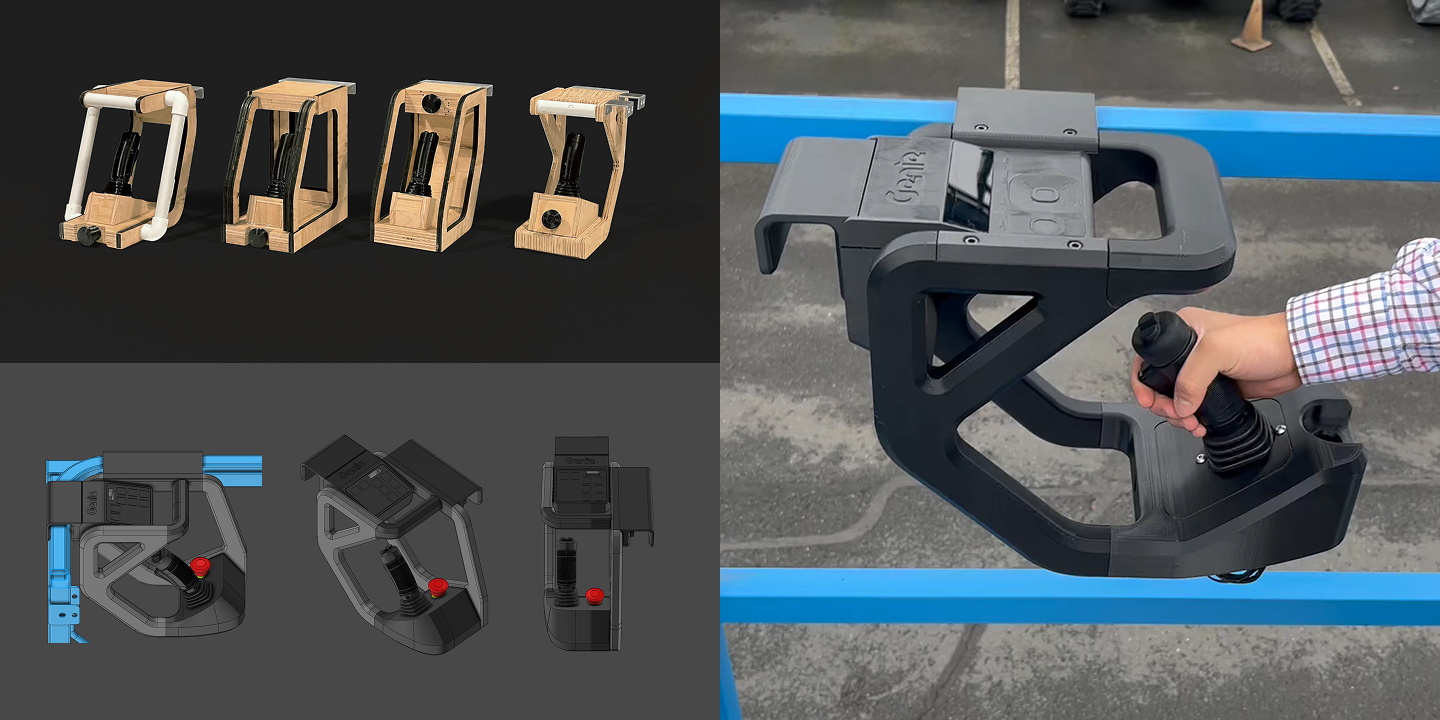
Early and frequent prototyping—from quick, low-fidelity mockups to fully functional models—formed the backbone of our development process. This iterative approach allowed us to explore a wide range of ideas early on, validate key design assumptions, and identify challenges long before production. Each prototype served as a critical learning tool, helping us
refine form, ergonomics, and user interaction through direct, hands-on evaluation. Frequent feedback loops with Genie’s engineering and manufacturing teams ensured every design iteration remained grounded in real-world feasibility, allowing us to balance creative ambition with production constraints—without ever compromising design intent.
Physical Testing & Material Selection
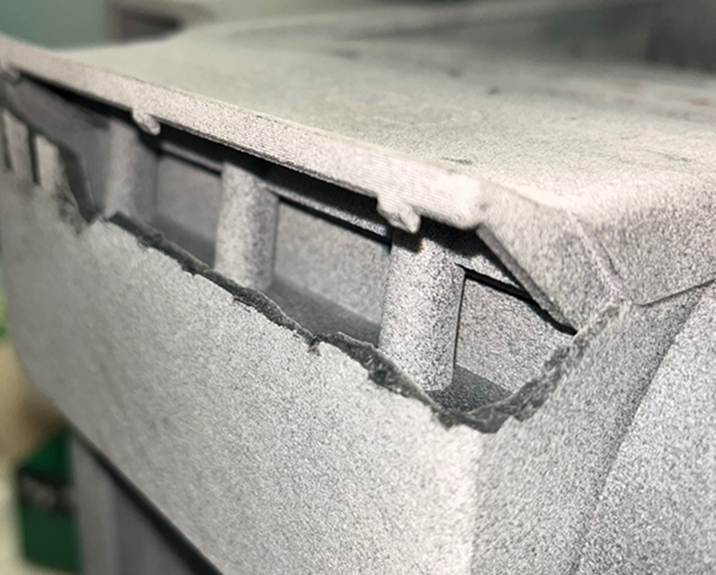
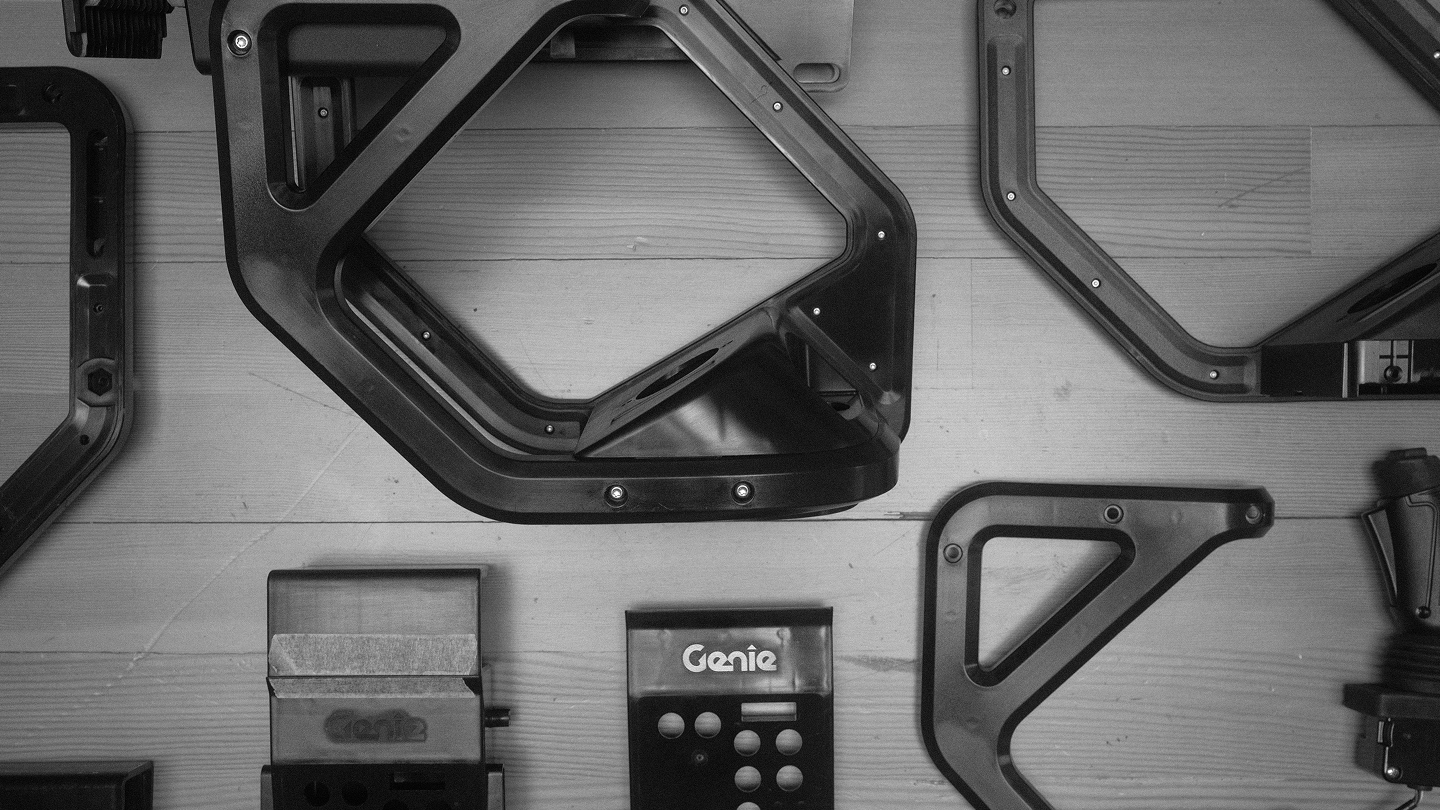
Durability is non-negotiable on demanding sites. Our engineering team performed intensive physical testing, selecting prototyping methods and materials mirroring those of the final production model. This rigorous approach built lasting confidence in our design’s resilience.
Data-Driven Optimization
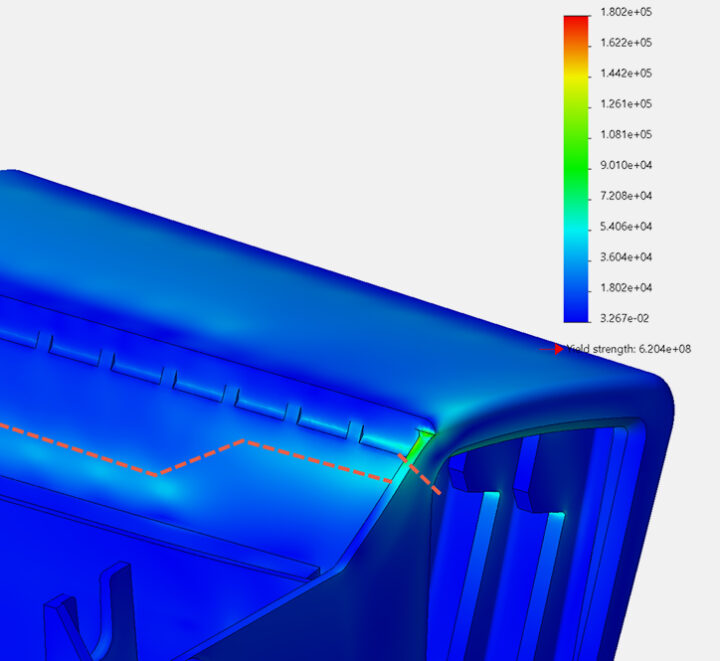
We let data drive decisions. When testing revealed points of failure under extreme conditions, our team leveraged finite element analysis to validate root-cause hypotheses and implemented design adjustments in geometry and material selection—quickly turning insights into solutions.
Engineering Improvements
Using finite element analysis, Tactile’s engineering team correlated real-world testing results with a digital model to validate the root cause of failure. With the cause confirmed, we swiftly implemented design updates—adjusting geometry and material selection to eliminate the issue.
Strategic Material Selection
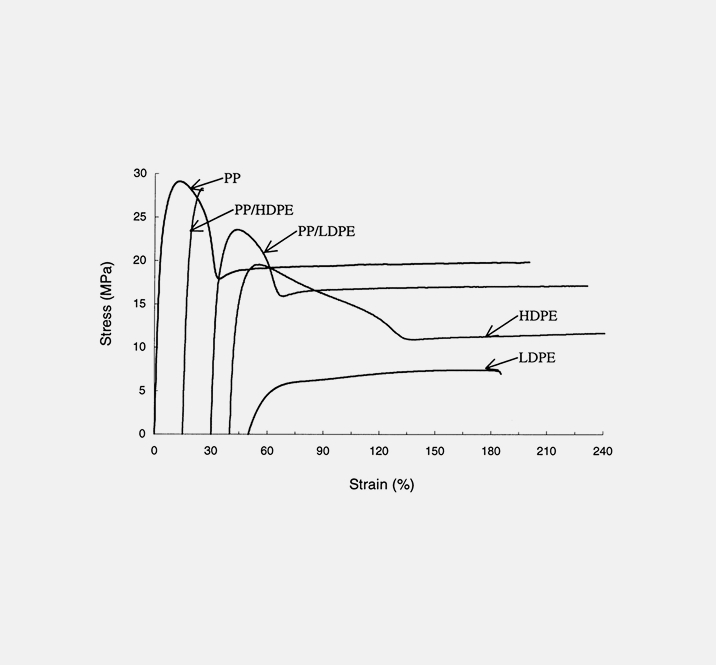
Collaborating closely with injection molding partners, we reviewed dozens of plastics, evaluating mechanical, thermal, and chemical properties, manufacturability, aesthetics, and cost. This meticulous process led to an ideal material solution aligned with Genie’s standards.
Designing for
Manufacturing
Our cross-disciplinary team streamlined material choices, minimized part count, simplified assembly processes, and optimized tolerances, resulting in a product that moves seamlessly from concept to high-volume manufacturing without sacrificing quality or appearance.

Assembly Process Optimization
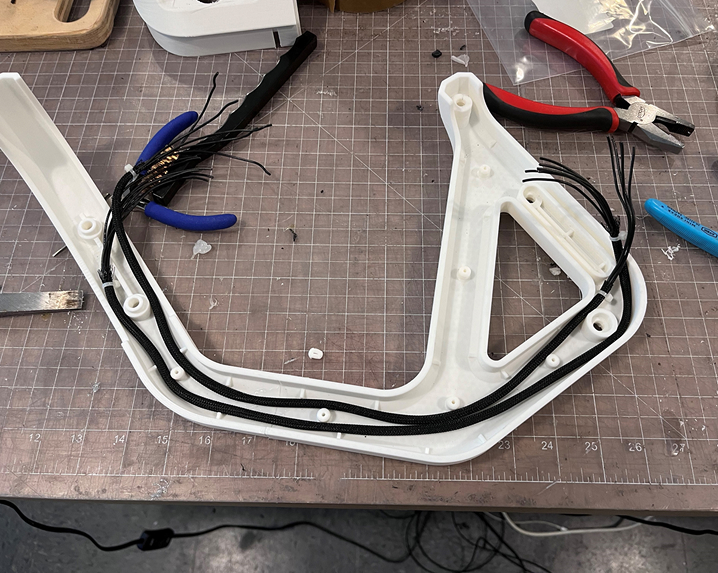
We continually refined assembly strategies to minimize labor and prevent issues arising from overly complex methods. By integrating industrial design and mechanical engineering, we improved hardware installation, cable routing, and serviceable component access, setting new standards for manufacturing efficiency and reliability.
Manufacturing Documentation for Quality Assurance
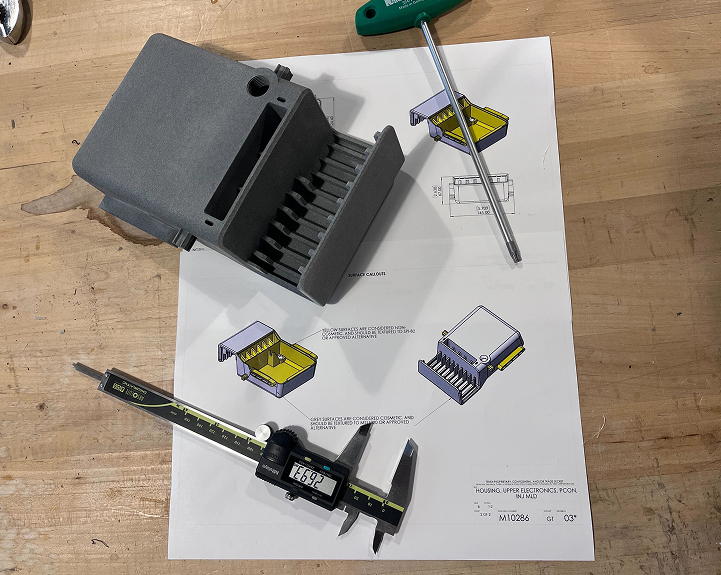
Final engineering drawings serve as a detailed agreement between client and vendor. Our team collaborated with Genie’s manufacturing partners to establish appropriate tolerances, draft angles, surface finishes, and wall thicknesses—ensuring every detail delivers the performance and aesthetic Genie expects.